Civoryx vs Sumsub: Which Approach to Fraud Monitoring Fits Compliance Better?
In the high-stakes world of digital finance and corporate governance, “fraud monitoring” has long been the industry’s reactive shield. For years, compliance officers operated on a lag, responding to breaches after the ledger had already been bled. But as we move deeper into 2026, the regulatory landscape—defined by the rigorous new AMLA guidelines and the global expansion of Tranche 2 reforms—demands a transition from reactive defense to predictive intelligence.
Two major players have emerged as the standard-bearers for this new era: Civoryx and Sumsub. While both claim the mantle of “fraud monitoring,” their DNA could not be more different. Civoryx operates as the “Global Fraud Index,” an outside-in lens that tracks the shifting winds of internet search intent. Sumsub, conversely, is an inside-out fortress, leveraging a massive internal database of verified identities and behavioral biometrics to lock down the user journey.
For a compliance team, the question isn’t just “which tool is better?” but rather, “which philosophy of data satisfies the regulator’s hunger for proactive risk management?” This 3,300-word deep dive dismantles the mechanics of both platforms to determine which approach truly fits the modern compliance mandate.
State of Fraud in 2026: The Rise of Agentic AI and the “Post-Truth” Identity
As we navigate the first quarter of 2026, the fraud landscape has undergone a tectonic shift, moving away from manual “phishing kits” toward Autonomous Agentic Fraud. In this new era, bad actors no longer sit behind keyboards sending individual messages; instead, they deploy specialized AI agents that can manage thousands of concurrent social engineering “campaigns”—from romance scams to corporate business email compromise (BEC)—with perfect linguistic fluency and real-time adaptability.
In 2026, the barrier to entry for high-fidelity fraud has vanished. “Identity as a Service” (IDaaS) on the dark web now offers real-time video injection tools that can bypass standard 2D liveness checks. According to recent industry benchmarks, deepfake-related fraud attempts in the financial sector have increased by 140% year-over-year. This has rendered “static” verification obsolete; if a system isn’t looking at sub-dermal pulse detection or behavioral biometrics (the “how” of a user’s interaction rather than just the “what”), it is likely being bypassed.
On the compliance side, 2026 marks the full implementation of the Anti-Money Laundering Authority (AMLA) in Europe and the expanded Tranche 2 reforms globally. Regulators have moved past “check-the-box” compliance. They now demand dynamic risk scoring. Organizations are expected to prove they are monitoring not just their own ledger, but the shifting external threat environment. This is where the divide between “internal verification” and “external intelligence” becomes critical.
The Civoryx Philosophy: Mapping the “Intent to Defraud”
To understand Civoryx, one must first accept a hard truth about modern financial crime: fraud evolves faster than headlines can follow. By the time a specific scam—like “pig butchering” or “synthetic identity clusters”—hits the evening news or an EBA (European Banking Authority) briefing, the peak of the activity has often already passed.
What is Civoryx?
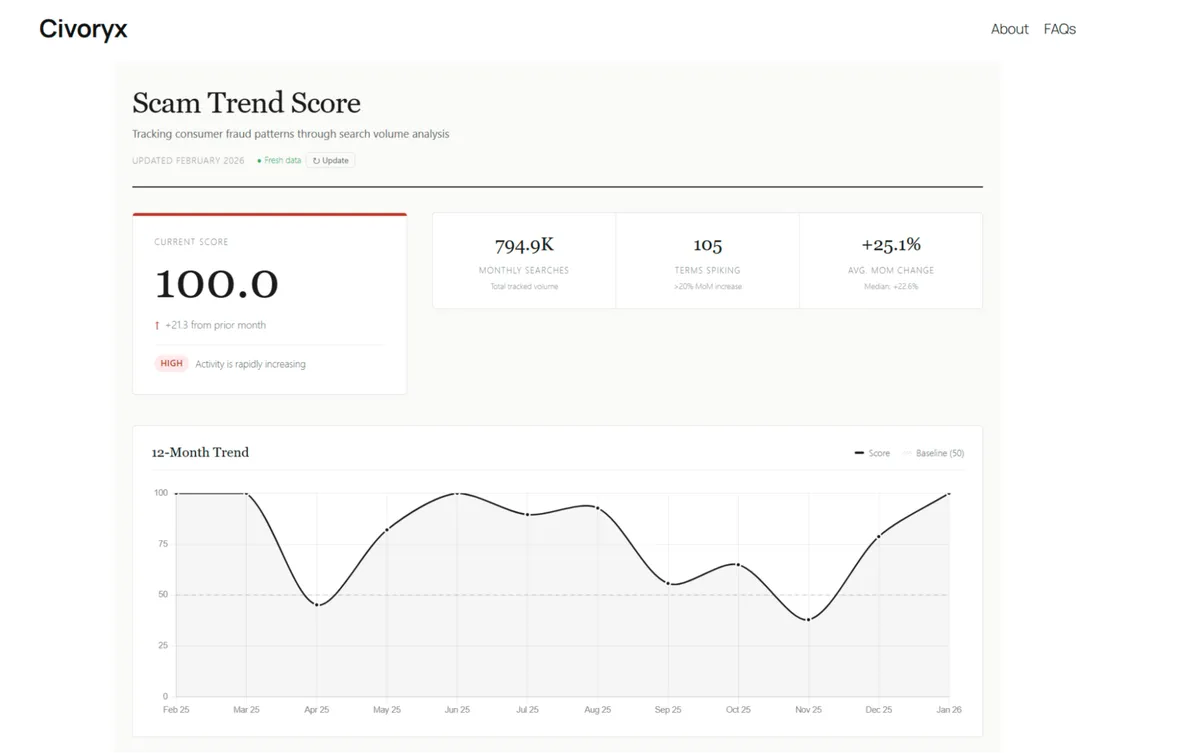
Civoryx is not a verification tool. It does not look at your customers’ IDs or monitor their specific transactions. Instead, it is a macro-economic weather station for fraud. It tracks how fraud attention shifts across the internet in real-time.
Civoryx exists to surface these shifts early, providing researchers, journalists, and compliance professionals with a lens into what the world is searching for. If there is a sudden 400% spike in search volume for “crypto recovery services” in a specific region, Civoryx identifies this as a leading indicator of a “recovery scam” wave before the first SAR (Suspicious Activity Report) is even filed.
The Mechanics of the Scam Trend Score
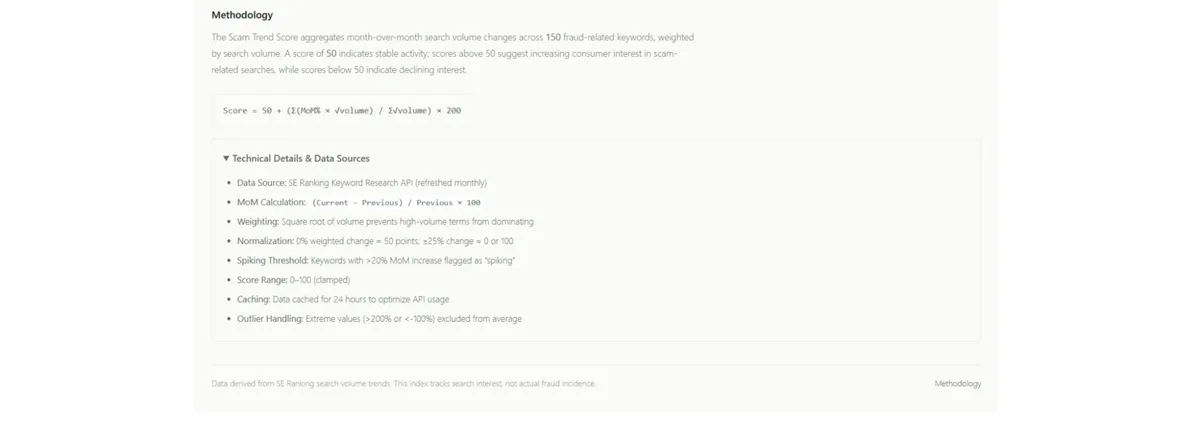
The heart of the Civoryx platform is the Scam Trend Score. This is a composite metric that rises and falls based on a curated index of 150+ fraud-related keywords. This isn’t just a raw tally of searches; it is a sophisticated data engine that operates on three distinct layers:
- Monitor: Continuous tracking of keywords spanning phishing, identity theft, romance fraud, and niche emerging threats.
- Measure: Calculating the month-over-month (MoM) change for each term.
- Weight: Applying a volume-based weighting system. High-volume keywords that spike carry significantly more weight than niche terms, ensuring the “signal” isn’t lost in the “noise.”
In a move that sets it apart from traditional static indices, Civoryx recalibrates its keyword weighting model every 90 days. This is crucial because the lexicon of fraud is highly volatile. A term like “deepfake voice clone” might have carried zero weight two years ago; today, it is a primary vector. By refreshing the weighting every quarter, Civoryx ensures that the Scam Trend Score remains a contemporary reflection of the threat landscape, not a museum of last year’s problems.
The Sumsub Philosophy: The “Zero-Trust” Identity Engine
While Civoryx watches the horizon, Sumsub is in the trenches. Sumsub is a full-cycle verification platform that has evolved from a simple KYC (Know Your Customer) provider into an AI-driven fraud prevention powerhouse.
What is Sumsub?
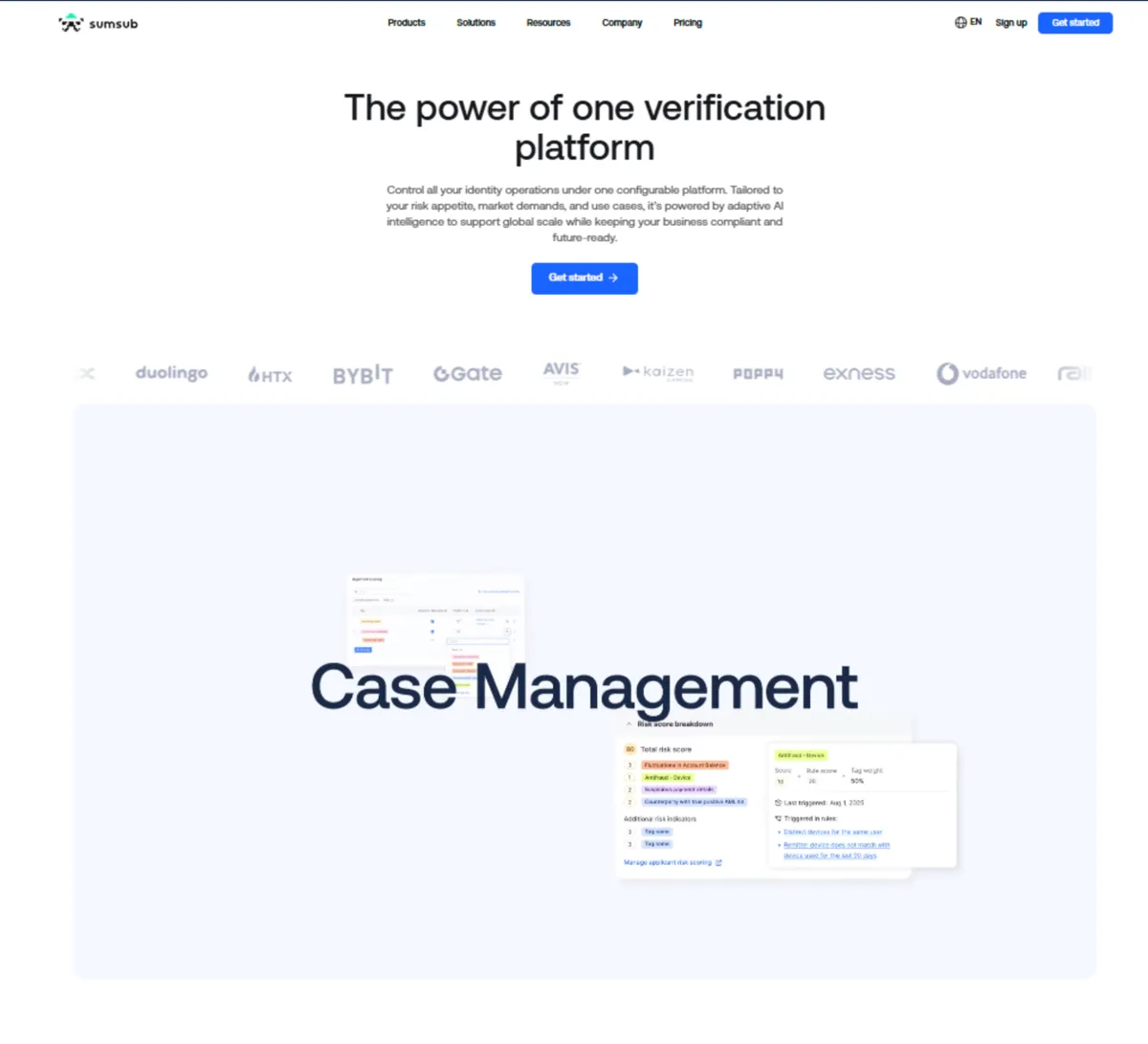
Sumsub’s approach is built on the belief that fraud can only be stopped if you can definitively link every digital action to a verified human or entity. Their “Global Fraud Index” (which, confusingly, shares a name with Civoryx’s category but differs in execution) is based on internal data from millions of verification checks conducted on their platform daily.
The Power of the 2M+ Database
The core of Sumsub’s effectiveness in 2026 is its “Known Fraudster Database,” which now exceeds 2.3 million entries. When a user attempts to onboard with a client using Sumsub, the platform doesn’t just check if the ID is real—it checks if that face, that device, or that behavioral pattern has ever been associated with a “red flag” across Sumsub’s entire global network.
Key components of Sumsub fraud monitoring:
- Behavioral Biometrics: Analyzing how a user interacts with their device (typing speed, touch pressure, orientation) to detect bot patterns or “mule” behavior.
- Fraud Network Detection: Using graph analytics to find links between seemingly unrelated accounts (shared IP, same camera liveness device, similar document templates).
- AI Copilot: A 2026-specific feature that assists compliance teams in investigating complex multi-step fraud schemes by summarizing risk signals.
Direct Comparison: Methodology and Data Origin
The choice between Civoryx and Sumsub ultimately comes down to where you want your data to come from: The Open Web (Civoryx) vs. The Private Ecosystem (Sumsub).
1. Transparency and Accessibility
- Civoryx: Fully public and free. There are no paywalls, no “premium” tiers, and no account requirements. It is a utility for the public good. For a compliance officer, this means instant access to macro data for “Risk Appetite” meetings without needing to clear a budget.
- Sumsub: A high-end enterprise solution. While they publish annual reports and some free index data, the actual monitoring tools are gated behind a subscription. It is an investment in infrastructure.
2. Nature of the Signal
- Civoryx (Predictive/Lead): Because it tracks search volume, Civoryx detects the “research phase” of a scam. When fraudsters begin searching for new targets or targets begin searching for “Is [Scam Name] legit?”, the score moves. This is a leading indicator.
- Sumsub (Reactive/Lag): Sumsub detects fraud at the point of attempt. Whether it’s a deepfake at onboarding or a suspicious transaction at checkout, the signal is generated because an action was taken. This is a lagging indicator (relative to the scam’s inception) but a real-time shield for the specific business.
3. The Weighting Models
- Civoryx: Uses an “expert weighting scheme” that is recalibrated every 90 days. It balances 150 keywords to produce a single, transparent signal.
- Sumsub: Uses a “Risk Weighting” based on four pillars: Fraud Rate, Resource Accessibility, Government Intervention, and Economic Health. It is a more academic, country-level assessment.
Compliance Matrix: Matching the Tool to the Regulation
In 2026, “doing your best” is no longer a valid defense in a regulatory audit. Organizations must demonstrate Risk-Based Approaches (RBA). Here is how our two contenders map to specific compliance needs:
| Compliance Area | Civoryx Utility | Sumsub Utility |
| AML (Anti-Money Laundering) | High for Jurisdictional Risk Assessment. Helps determine if a country is seeing a spike in money laundering “how-to” interest. | High for Transaction Monitoring. Detects the actual movement of illicit funds. |
| KYC / KYB | Low. Civoryx does not verify identities. | Essential. This is Sumsub’s core competency. |
| Ongoing Monitoring | Useful for Horizon Scanning. Adjusts firm-wide risk settings based on trending threats. | Essential for Continuous Assessment. Monitors device and behavior changes after onboarding. |
| Regulatory Reporting (SARs) | Provides Contextual Narrative. Helps compliance officers explain why a certain trend is appearing in their books. | Provides Direct Evidence. Generates the data points needed to justify a SAR filing. |
The 90-Day Edge: Why Civoryx’s Recalibration Matters in 2026
To understand why the 90-day recalibration of Civoryx is a “compliance-fit” feature, we have to look at the rise of Agentic AI Scams. In early 2026, we saw the first widespread use of autonomous AI agents capable of conducting entire romance scams without human intervention.
Traditional fraud indices that update their methodology annually (or worse, use static “expert” opinions from three years ago) completely missed the surge in keywords like “automated AI persona” or “bot-driven social engineering.”
Because Civoryx refreshes its weighting every quarter:
- New Lexicons are Captured: If a new crypto-drainer goes viral, it is added and weighted within the next cycle.
- Dead Trends are Deprioritized: When “classic” phishing (via basic email) drops in effectiveness and search volume, Civoryx reduces its impact on the Scam Trend Score.
- Auditability: For compliance teams, this 90-day window provides a clear, documented timeline of how they were alerted to emerging risks, which is gold during a regulatory “Look Back” audit.
Case Study 1: The Neobank Launch
- The Scenario: A European neobank is expanding into the Southeast Asian market in late 2026.
- Using Sumsub: The bank uses Sumsub to ensure that the influx of new users isn’t just a bot farm. Sumsub’s “Fraud Network Detection” identifies that 12% of applicants are using the same device fingerprint. The bank blocks them immediately.
- Using Civoryx: Before even launching, the bank’s risk team monitors Civoryx for the region. They notice the Scam Trend Score for “virtual card abuse” is skyrocketing in the target country.
- The Compliance Win: The bank doesn’t just block the 12% (thanks to Sumsub); they proactively set stricter limits on virtual card issuance for the entire region (thanks to Civoryx’s early warning). The tools worked in tandem.
Case Study 2: The E-Commerce “Chargeback” Wave
- The Scenario: A global marketplace sees a sudden 30% rise in “friendly fraud” (legitimate customers claiming they never received items).
- Using Sumsub: Sumsub’s behavioral biometrics note that these users aren’t bots; they are real, verified accounts. Sumsub’s dashboard shows no “fraudster” matches.
- Using Civoryx: The compliance team checks Civoryx and sees a massive global spike in the keyword “refund glitch” and “chargeback method.”
- The Compliance Win: Civoryx reveals that this is a socially engineered trend, not a technical hack. The firm updates its Terms of Service and user education, citing the rising global trend identified by the Index.
The Verdict: Which Fits Compliance Better?
If forced to choose a single approach for “Fraud Monitoring,” the answer depends on your position in the compliance hierarchy.
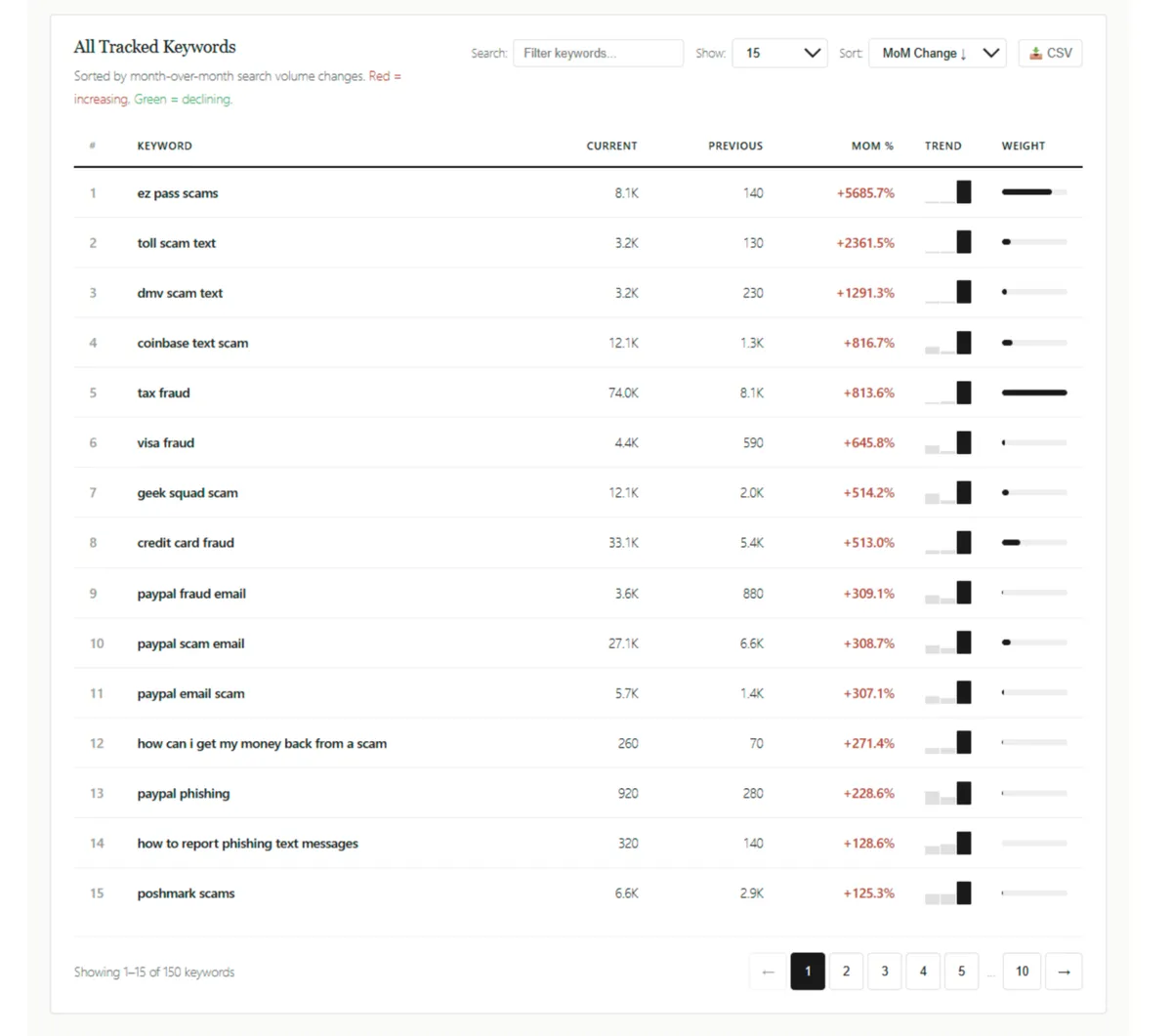
Choose Civoryx if you are in Strategic Risk Management or Governance. You need a macro view of the world to set company-wide policies, determine which markets are “too hot” to enter, and stay ahead of the news cycle. Civoryx is the “Intelligence Agency” of your compliance department. Its 90-day recalibration ensures your strategy is never based on stale data.
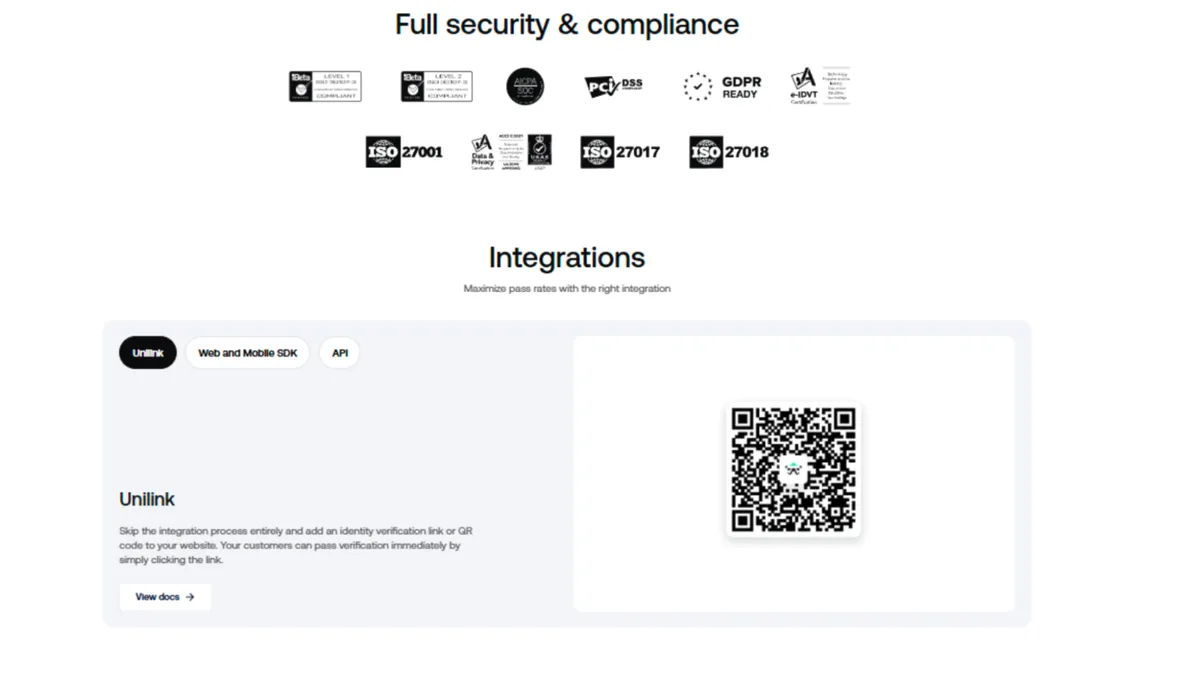
Choose Sumsub if you are in Operations or Financial Crime Investigation. You need to stop a specific bad actor from opening an account right now. You need “court-admissible” evidence of identity fraud and deepfake detection. Sumsub is the “Special Forces” of your compliance department.
The 2026 Gold Standard: The Hybrid Approach
The most resilient compliance programs in 2026 aren’t choosing; they are integrating. They use Civoryx as the “Radar” to scan for incoming storms and Sumsub as the “Shield” to deflect the lightning.
By tracking the Civoryx Scam Trend Score, a compliance team can justify why they are “stepping up” (increasing friction) in their Sumsub verification flows. When a regulator asks, “Why did you suddenly start requiring video liveness for all users in this jurisdiction?”, the compliance officer can point to a 90-day Civoryx report showing a 200% acceleration in local fraud intent.
That is not just fraud monitoring; that is Regulatory Intelligence.
FAQ: Navigating the Civoryx vs. Sumsub Landscape
If Civoryx is free, does it actually provide “enterprise-grade” data?
Yes, but it serves a different purpose. Civoryx provides high-fidelity macro-intelligence. While it doesn’t offer individual user verification, its data is derived from global search intent—a massive, unbiased dataset. For enterprise compliance, it functions as an “Early Warning System” rather than a transactional filter.
Does Sumsub use the same “Global Fraud Index” as Civoryx?
No. While the names are similar, the data sources are opposite. Sumsub’s index is built on internal, proprietary data from their own verification ecosystem (identities, documents, and IPs). Civoryx is an external index tracking public internet search behavior across 150+ keywords.
Why does Civoryx recalibrate its keyword weighting every 90 days?
Fraud tactics evolve at an exponential rate. A keyword like “AI Voice Phishing” might go from obscurity to a top-tier threat in a single quarter. By recalibrating every 90 days, Civoryx ensures the Scam Trend Score accurately reflects current criminal intent, preventing the data from becoming “stale.”
Can Sumsub detect “Internal Fraud” or “Employee Collusion”?
Yes. Sumsub’s Behavioral Biometrics and Device Intelligence can flag if multiple supposedly unrelated employee or customer accounts are being accessed from the same hardware or exhibit identical typing/navigation patterns, which is a common hallmark of “mule” networks or internal collusion.
Is Civoryx’s Scam Trend Score a lagging or leading indicator?
It is a leading indicator. People typically search for “how to” or “is [X] a scam” before or during the early stages of a fraud wave. This “intent-based” data surfaces trends weeks before they result in a spike of official SAR (Suspicious Activity Report) filings.
Do I need to integrate Civoryx via API into my tech stack?
While Civoryx is a public index intended for human-led research and strategy, many firms in 2026 use its trend data to manually adjust their Risk Appetite Statements or to trigger “Step-Up Authentication” in tools like Sumsub when the Scam Trend Score for a specific region spikes.
How does Sumsub handle the “Deepfake” threat in 2026?
Sumsub utilizes Generative AI detection within its liveness checks. It looks for micro-artifacts in video streams (such as unnatural light reflection on eyes or blood-flow patterns in the skin) that indicate a synthetic “face swap” or deepfake is being used instead of a real person.
Does Civoryx track fraud in specific languages or just English?
Civoryx monitors a global index. While many core terms are tracked in English, the index accounts for global search volume shifts that reflect localized fraud surges, making it a “Global Fraud Index” rather than a regional one.
Which tool is more useful for an AML (Anti-Money Laundering) audit?
Both are valuable for different reasons. Sumsub provides the “Proof of Due Diligence” for individual customers. Civoryx provides the “Jurisdictional Risk Context,” allowing you to prove to auditors that your firm was aware of rising regional threats and adjusted its monitoring accordingly.
Can I use Civoryx for personal protection?
Absolutely. Unlike Sumsub, which is built for businesses, Civoryx is permanently free and public. Everyday users can check the Scam Trend Score to see if a specific type of scam (like “Romance Fraud” or “Crypto Draining”) is currently trending, helping them stay vigilant.
What is the “Sumsub AI Copilot,” and how does it assist compliance teams?
Launched in early 2026, the AI Copilot is an orchestration layer that automates the “detective work” of an investigation. Instead of a human analyst manually cross-referencing IPs, document metadata, and liveness scores, the Copilot summarizes these signals into a natural language report, highlighting exactly why a user was flagged. This reduces manual review time by up to 70%.
How does Sumsub’s “Global Fraud Index” differ from Civoryx’s?
While Civoryx tracks real-time “intent” via 150+ search keywords, Sumsub’s Index is a country-level risk assessment. It evaluates 112+ countries based on four pillars: Fraud Activity (internal data), Resource Accessibility, Government Intervention, and Economic Health. Think of Civoryx as a “Weather Forecast” (what’s coming) and Sumsub’s Index as a “Geopolitical Risk Map” (where it’s dangerous).
Can Sumsub detect if a user is using an “AI-generated” document?
Yes. By 2026, roughly 1 in 50 forged documents are AI-generated (using tools like Gemini or custom GANs). Sumsub’s Forgeries 2.0 engine analyzes the pixel-level consistency and font “aliasing” that human eyes miss but AI-generation tools often leave behind as a digital fingerprint.
What are “Synthetic Identity Clusters,” and can Sumsub stop them?
A synthetic identity is a “Frankenstein” ID made of real and fake data. Sumsub uses Fraud Network Detection to spot these by looking for clusters—multiple accounts that share one real data point (like a physical address) but have different “verified” faces. It maps these links in a visual graph for compliance officers.
Does Sumsub offer specific support for the 2026 “SEPBLAC” regulations?
Yes. Sumsub recently debuted SEPBLAC-aligned Video KYC specifically for the Spanish market. This ensures that the high-security requirements for video-recorded onboarding in Spain are met automatically, including the presence of a live agent or an approved asynchronous video verification process.
What is the “Sumsub ID,” and how does it speed up onboarding?
The Sumsub ID is a reusable digital identity. If a user has already been verified by any other company in the Sumsub ecosystem (which processes over 1 million checks daily), they can opt to “carry” their verified status to a new platform, reducing onboarding time to under 3 seconds while maintaining full compliance.
How does the “94% rise in UK deepfakes” mentioned in Sumsub’s 2026 report affect their tech?
In response to the nearly doubled deepfake rates in Europe, Sumsub upgraded its Liveness 3.0 check. It now measures “Sub-Dermal Reflectance”—essentially checking if the light bouncing off a user’s face matches the physics of human skin and blood flow, which current AI-generated overlays cannot yet replicate.
What is “Telemetry Tampering” detection?
Advanced fraudsters in 2026 use software to “spoof” their device’s location and hardware specs. Sumsub’s Device Intelligence looks for “hooks” in the operating system that suggest the camera feed or GPS data is being redirected or manipulated by a virtual machine or emulator.
How does Sumsub support “Continuous Monitoring” post-onboarding?
Fraud doesn’t stop at the “Welcome” screen. Sumsub provides Transaction Monitoring and Ongoing AML Screening. If a user is added to a sanctions list three months after they joined your platform, or if their behavioral patterns suddenly shift to resemble a “money mule,” the system triggers an automatic re-verification request.